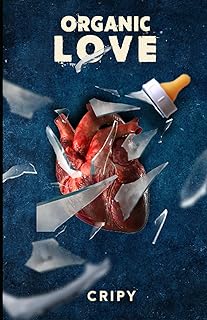
A new UK start-up, Books By People, has launched an initiative to combat the rising trend of AI-generated books. The company has introduced an “Organic Literature” certification, partnering with independent publishing houses to label human-written works. This move aims to provide readers with a means to differentiate between books crafted by real authors and those generated by artificial intelligence.

The certification process involves affixing Organic Literature stamps on books authored by humans, with minimal AI involvement restricted to tasks like formatting and idea generation. Books By People, founded by Esme Dennys, Conrad Young, and Gavin Johnston, plans to expand its reach globally in 2026. The initiative’s inaugural certified title, ‘Telenovela’ by Gonzalo C Garcia, is set to be published by Galley Beggar Press, a founding partner.

Sam Jordison, co-director of Galley Beggar and an advisor for Books By People, emphasized the significance of the certification for publishers, authors, and readers alike. He described it as a mark of quality and a testament to the human touch inherent in books, highlighting the importance of shared humanity in literature.

Publishers seeking certification must adhere to the initiative’s standards and undergo annual spot checks. The cost of certification will vary based on the number of titles produced annually. This development comes at a time of growing tension between the creative sector and AI companies, with recent incidents underscoring the need to prioritize human creativity and safeguard against potential infringements.
As the industry grapples with the proliferation of AI-generated content on platforms like Amazon, efforts to elevate human authorship are gaining momentum. While the Publishers Association supports voluntary initiatives to promote human creativity, calls for stricter regulation to combat low-quality AI-generated texts persist.

The launch of the Organic Literature certification coincides with broader discussions surrounding the role of AI in creative industries. Amid concerns about misinformation and intellectual property rights, stakeholders are advocating for greater transparency and accountability in the production and distribution of literary works.

With the publishing landscape evolving rapidly, initiatives like the Organic Literature certification offer a beacon of authenticity in an increasingly digitized world. By championing human ingenuity and authorial voice, this movement seeks to uphold the integrity of literature and nurture a deeper connection between writers and readers.
📰 Related Articles
- South Australia Introduces EdChat AI App in High Schools
- People Can Fly Introduces Lost Rift: Survival Gaming Redefined
- Microsoft Photos App Introduces AI Auto-Categorization for Enhanced Organization
- Malk Organics Introduces New Organic Soy Milk and Coconut Variants
- JAGGAER Achieves ISO/IEC 42001 Certification for AI Governance